
Understand Spanish but Can't Speak It? A Guide for Heritage Speakers
Grew up hearing Spanish but freeze when you speak? Why it happens to heritage speakers and a practical plan to finally speak with your family.
By Ayoub Farid · · 3 min read
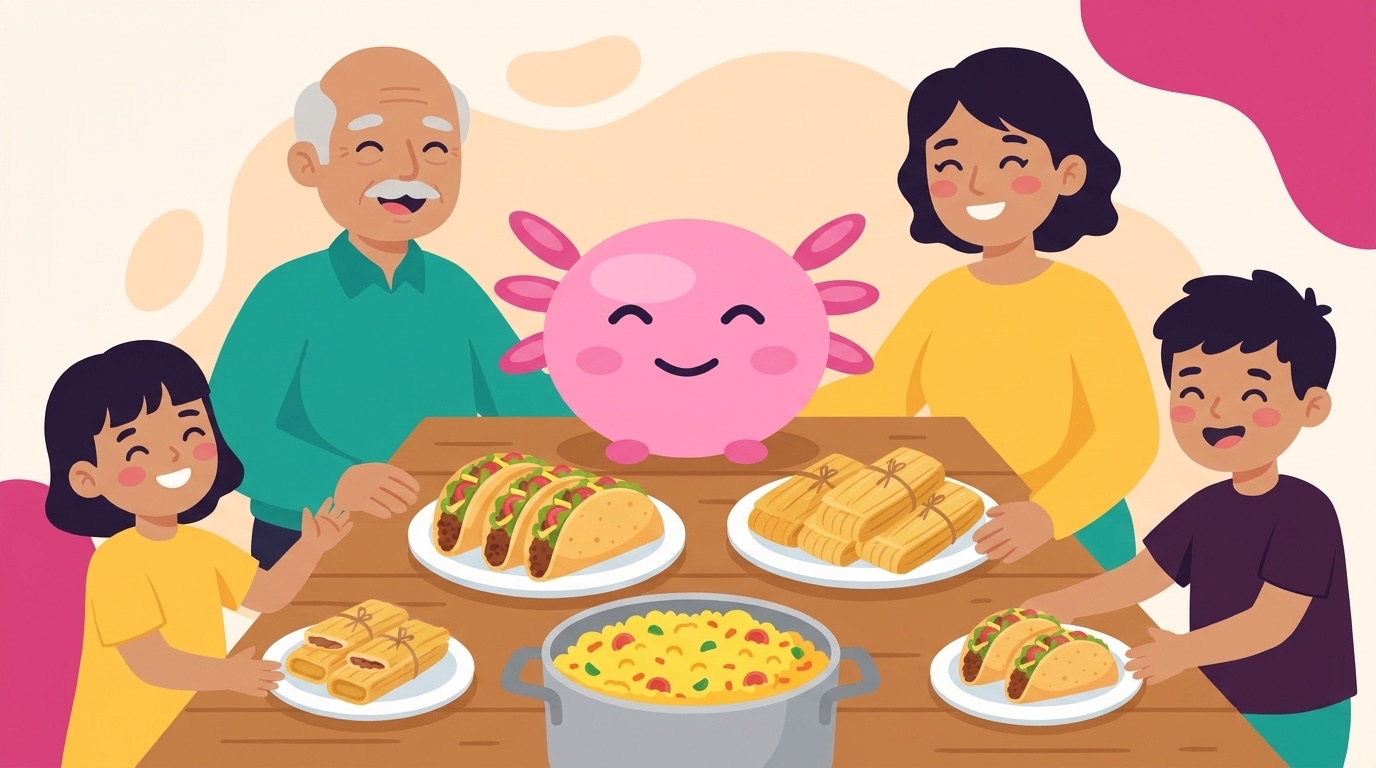
You grew up hearing Spanish at home. You understand your parents, your tías, your abuela. But when it's time to answer, the words won't come, or they come out in English. If that's you, you're far from alone, and it's very fixable.
Why this happens
Linguists call people like you heritage speakers or receptive bilinguals: you have strong listening skills in a family language, but much less practice producing it. That isn't a failure. It's what happens when you hear a language every day but answer in another one.
Common reasons:
- You answered in English as a kid, and everyone accepted it.
- School and friends were all in English.
- You were teased for your accent or mistakes, by family or classmates.
- You feel pressure: speaking "badly" in front of family feels worse than speaking badly in front of strangers.
The good news
Your comprehension is a huge head start. You already have:
- a natural ear for rhythm and pronunciation;
- thousands of words you recognize;
- grammar patterns absorbed from childhood.
What's missing is output practice, the reps of actually saying things. That's the fastest skill to build.
A practical plan
1. Practice privately first
Speaking in front of family is high-stakes. Build confidence somewhere safe: talk to yourself, record voice notes or use an AI tutor.
2. Start with family situations
Practice the conversations you actually want to have: calling abuela, family dinners, telling your tía about your week. See talk to abuela in Spanish.
3. Use the Spanish you already know
Don't worry about textbook Spanish. Your family's Spanish is real Spanish. If your family says ahorita and ¿mande?, use them.
4. Fill specific gaps
Heritage speakers often have gaps in past tenses, the subjunctive and formal vocabulary. Learn them as you notice them.
5. Tell your family what you're doing
"Estoy practicando mi español. ¿Me ayudas?" Most families are thrilled and become patient helpers.
6. Speak a little every day
Even two minutes. The habit matters more than the length.
Dealing with the shame
Many heritage speakers carry shame about their Spanish, sometimes summed up in the jokey "no sabo kid" label. See the no sabo kids guide. Remember: understanding a language is real knowledge, and speaking is a skill you can train at any age. See reconnect with Spanish as an adult.
Common heritage speaker gaps
- Using yo constantly (English habit)
- Confusing ser and estar
- Past tense forms (fuí vs fui, hicistes vs hiciste)
- Knowing kitchen Spanish but not work or school vocabulary
See heritage speaker common mistakes.
Lolo was made for this
Lolo's first goal option is "Talk with my family: I understand some, but freeze when I speak." You practice warm, everyday Spanish (like a call with abuela) privately, as many times as you like. Lolo never interrupts mid-sentence, corrections come as gentle cards, and tips are explained in your language.
Frequently asked questions
Why can I understand Spanish but not speak it?
Understanding and speaking are separate skills. You heard Spanish for years but rarely practiced producing it.
Is it too late to learn to speak my family's language?
No. Heritage speakers often progress faster than other learners because their comprehension is already strong.
Should I learn "proper" Spanish or my family's Spanish?
Start with your family's Spanish; it's the one you'll use. Add formal Spanish later if you need it.